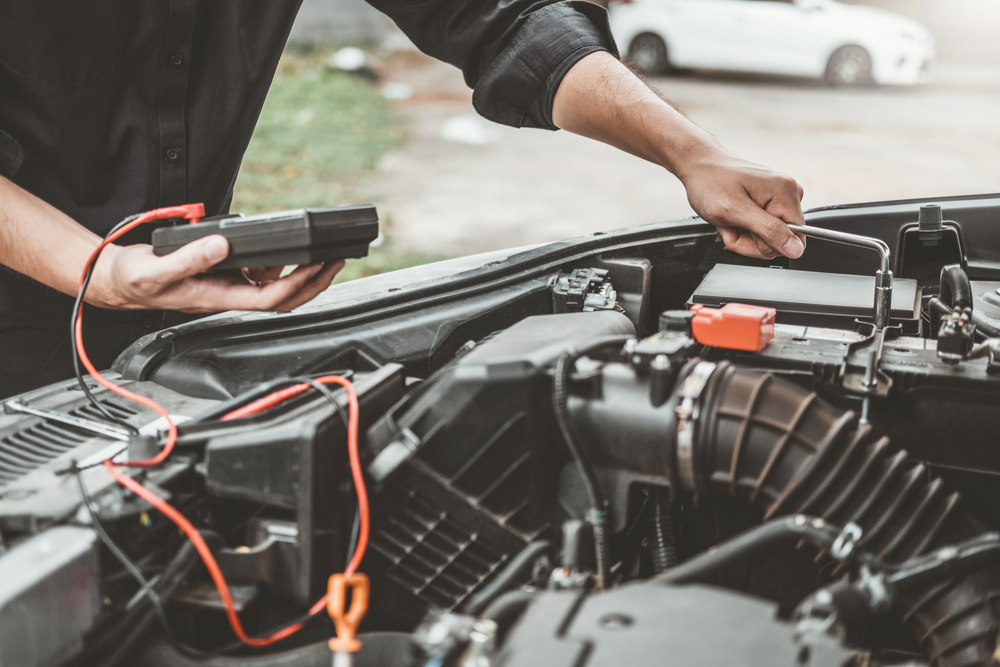
In the realm of automotive maintenance, understanding and mastering automotive electrical repair is key to ensuring smooth vehicle performance and reliability. Modern vehicles are equipped with complex electrical systems that power everything from ignition to entertainment. However, electrical issues can be daunting for many drivers and mechanics alike. Learning how to effectively diagnose and repair electrical problems can save both time and money. This comprehensive guide will delve into the fundamentals of automotive electrical systems, common issues, troubleshooting techniques, and essential tools needed for successful repairs.
Understanding Automotive Electrical Systems
Before delving into repairs, it’s crucial to grasp the basics of automotive electrical systems. Vehicles rely on electricity to power various components, including lights, sensors, starters, and fuel systems. The battery acts as the heart of the electrical system, providing initial power to start the engine and operating accessories when the engine is off. The alternator, driven by the engine, recharges the battery and provides power to the electrical system while the vehicle is running.
Key components of automotive electrical systems include fuses, relays, wiring harnesses, switches, and connectors. These components work together to distribute power throughout the vehicle and ensure proper functioning of critical systems. However, with increased electrical complexity comes a higher likelihood of malfunctions.
Common Electrical Issues
Automotive electrical problems can manifest in various ways, ranging from minor nuisances to severe safety concerns. Some of the most common issues include:
- Dead Battery: A dead or weak battery is a prevalent issue that can result from leaving lights on, a faulty charging system, or an aging battery.
- Faulty Alternator: An alternator failure can lead to a drained battery and cause various electrical malfunctions while driving.
- Blown Fuses: Fuses protect electrical circuits from overloads. When a fuse blows, it interrupts the circuit and prevents damage to components.
- Bad Wiring Connections: Corroded or loose wiring connections can cause erratic behavior in electrical systems, leading to intermittent failures.
- Faulty Sensors: Sensors play a critical role in modern vehicles for monitoring engine performance and emissions. Faulty sensors can trigger warning lights and affect vehicle performance.
Identifying the root cause of these issues requires a systematic approach and the right tools.
Troubleshooting Techniques
Effective troubleshooting is essential for diagnosing and repairing automotive electrical problems accurately. Here are steps to streamline the process:
- Inspect Battery and Charging System: Begin by testing the battery voltage using a multimeter. A healthy battery should read around 12.6 volts when the engine is off. Start the engine and check if the voltage increases to around 13.7 to 14.7 volts, indicating proper alternator function.
- Check Fuses and Relays: Use a fuse tester or visually inspect fuses for signs of damage. Replace any blown fuses with the correct amperage rating.
- Scan for Error Codes: Use an OBD-II scanner to retrieve error codes from the vehicle’s onboard computer. Error codes can provide valuable insights into specific electrical faults.
- Inspect Wiring and Connectors: Visually inspect wiring harnesses and connectors for signs of wear, corrosion, or damage. Repair or replace damaged components as necessary.
- Perform Component Tests: Test individual electrical components such as sensors and switches using appropriate diagnostic tools to verify functionality.
Essential Tools for Automotive Electrical Repair
Equipping yourself with the right tools is essential for efficiently tackling automotive electrical repairs. Here’s a list of must-have tools:
- Multimeter: Used for measuring voltage, current, and resistance. A multimeter is indispensable for diagnosing electrical problems.
- Test Light: Helps identify power and ground connections within electrical circuits.
- Wire Strippers and Crimpers: Essential for repairing or replacing damaged wiring.
- OBD-II Scanner: Allows for reading error codes and monitoring vehicle parameters.
- Terminal Tool Set: Facilitates the removal of electrical terminals without damage.
- Circuit Tester: Useful for checking the presence of voltage in a circuit.
- Soldering Iron and Heat Shrink Tubing: Needed for soldering and insulating electrical connections.
Conclusion
Mastering automotive electrical repair requires a blend of knowledge, patience, and the right tools. By understanding the fundamentals of automotive electrical systems, common issues, effective troubleshooting techniques, and essential tools, you can confidently tackle electrical problems and ensure your vehicle operates smoothly and reliably. Remember to prioritize safety and consult professional help when dealing with complex electrical issues beyond your expertise. With practice and experience, you’ll become adept at resolving automotive electrical problems and maintaining your vehicle’s performance.