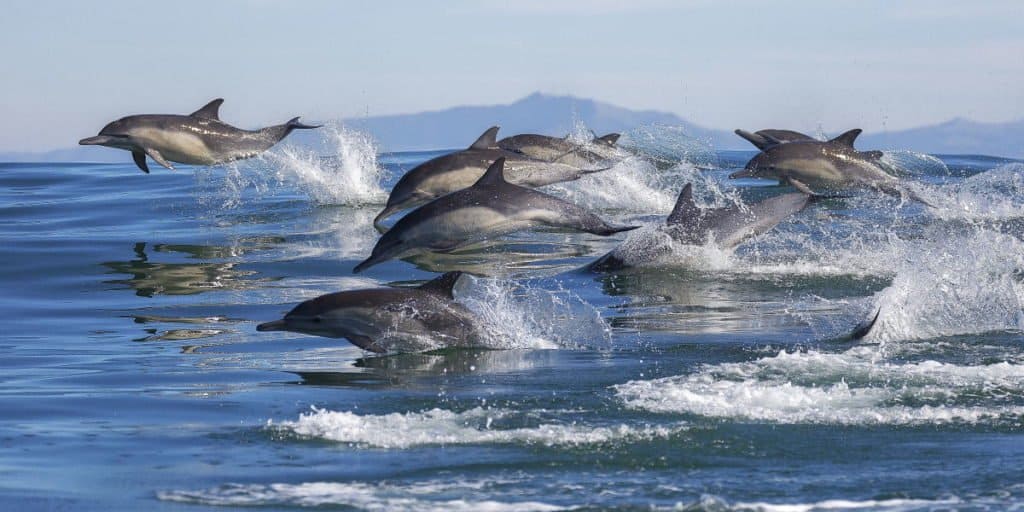
In the vast expanse of our oceans, where depths conceal wonders beyond imagination, lies a spectacle that captivates both scientists and dreamers alike—the school of whales. These majestic creatures, embodying grace and power, traverse the ocean depths in synchronized harmony, offering a glimpse into the intricate workings of marine life. Join us on an exploration beneath the waves as we uncover the mysteries surrounding these magnificent beings and their captivating gatherings.
The term “school of whales” often conjures images of immense cetaceans gliding effortlessly through the ocean, their streamlined bodies cutting through the water with grace and precision. But what exactly is a school of whales, and what makes these gatherings so fascinating to behold?
At its core, a school of whales refers to a group of whales traveling together for various purposes, ranging from migration to feeding and socialization. These gatherings can consist of a single species or multiple species, each with its own unique behaviors and dynamics. Among the most well-known members of these schools are the iconic humpback whales, known for their acrobatic displays and haunting songs that echo across the ocean depths.
One of the most intriguing aspects of a school of whales is the complex social structures that govern their interactions. Within these gatherings, individual whales form bonds and hierarchies, communicating through a diverse array of vocalizations and body language. This intricate social network serves not only to facilitate cooperation but also to strengthen the collective resilience of the group against the myriad challenges of ocean life.
Migration plays a significant role in the lives of many whale species, with schools undertaking epic journeys spanning thousands of miles in search of food and suitable breeding grounds. These migrations often follow established routes passed down through generations, guided by a combination of instinct and environmental cues. Witnessing a school of whales in the midst of migration is a testament to the resilience and adaptability of these remarkable creatures, as they navigate vast expanses of open ocean with unwavering determination.
Feeding behavior is another fascinating aspect of a school of whales, with different species employing a variety of techniques to secure their next meal. From the bubble-net feeding of humpback whales to the coordinated hunts of orcas, each strategy is finely tuned to exploit the unique characteristics of their prey and environment. These feeding frenzies not only sustain the individuals within the school but also play a vital role in maintaining the delicate balance of marine ecosystems.
While the oceans may seem boundless, they are not immune to the impacts of human activities. Pollution, habitat destruction, and climate change pose significant threats to the health and stability of marine ecosystems, including the populations of whales that call them home. As stewards of the oceans, it is incumbent upon us to take action to mitigate these threats and ensure a future where schools of whales continue to grace our seas with their presence.
Research into the behavior and ecology of whales is ongoing, with scientists around the world dedicated to unraveling the mysteries of these enigmatic creatures. Through innovative techniques such as satellite tagging and underwater drones, researchers are gaining unprecedented insights into the lives of whales, shedding light on their habits, movements, and the ecological roles they play.
In addition to their ecological importance, whales hold a special place in human culture and imagination. From ancient myths and legends to modern-day conservation efforts, these magnificent creatures have long captured the hearts and minds of people around the world. By fostering a deeper understanding and appreciation of whales and their habitats, we can inspire future generations to take action to protect and preserve our oceans for years to come.
In conclusion, the school of whales represents not only a breathtaking spectacle of nature but also a window into the complex web of life that sustains our oceans. Through their migrations, feeding behaviors, and social interactions, whales offer valuable insights into the workings of marine ecosystems and the interconnectedness of all living things. By safeguarding their habitats and addressing the threats they face, we can ensure that future generations will continue to marvel at the beauty and majesty of the school of whales for years to come.